Product Development Framework
A shared way to take a ministry idea from a hunch to something that truly serves people. This page is the quick overview. The full manual has everything else.

Great tools don't appear fully formed
Like the light bulb, good ministry tools come from curiosity, testing, and teamwork. A shared framework helps our ministry be more fruitful, our teams more aligned, and our products more effective.
Build the right things
Every project starts by listening to the people we serve, so we solve real needs, not hunches.
Waste less
Early, simple testing catches problems while they're still cheap to fix.
Work better together
Shared language helps sponsors, teams, and leaders know where a product is and what it needs next.
Keep products alive
A named Product Lead cares for each tool after Launch, so it doesn't fade when its creator moves on.
The framework at a glance
The Design Cycle

Immerse
Listen and observe your audience to make sure you're solving the right problem.
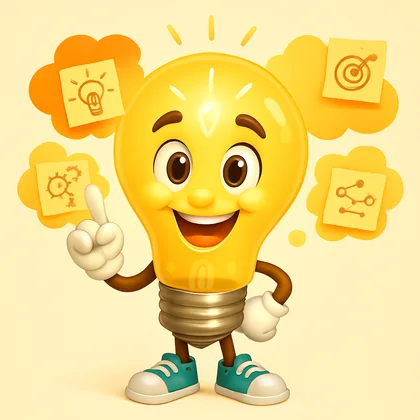
Imagine
Brainstorm creative solutions freely, then pick the most promising idea to test.
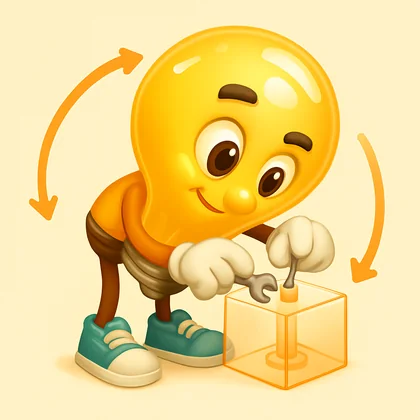
Iterate
Build rough prototypes and use feedback loops to turn inspiration into insight.
The Deliver Cycle

Build
Finish the product and create training materials to equip your users.

Launch
Show the value of the tool and put it into people's hands.

Monitor
Measure engagement and impact to keep the solution effective over time.
Primary roles and responsibilities

Sponsor
Starts the project, secures resources, and lines it up with ministry goals.

Project team
Gives creative direction and manages the timeline from Immerse to Launch.

Product lead
Takes over after Launch and leads the long term Monitor phase.

Got a question? Ask Bright.
I answer from the framework documents only. If I'm not sure, I'll say so and point you to Mark Michal or Lorenna Ellis Lee.
Watch, listen, or flip through
Pick the format that fits your day. Each one covers the same framework.
Grab what you need
Every tool opens the live version in Google Drive, so it's always current.
Test yourself in two minutes
Twenty quick cards on the stops, the roles, and the key ideas. Flip, check, repeat.